I fixed my father’s watch, it fixed me back
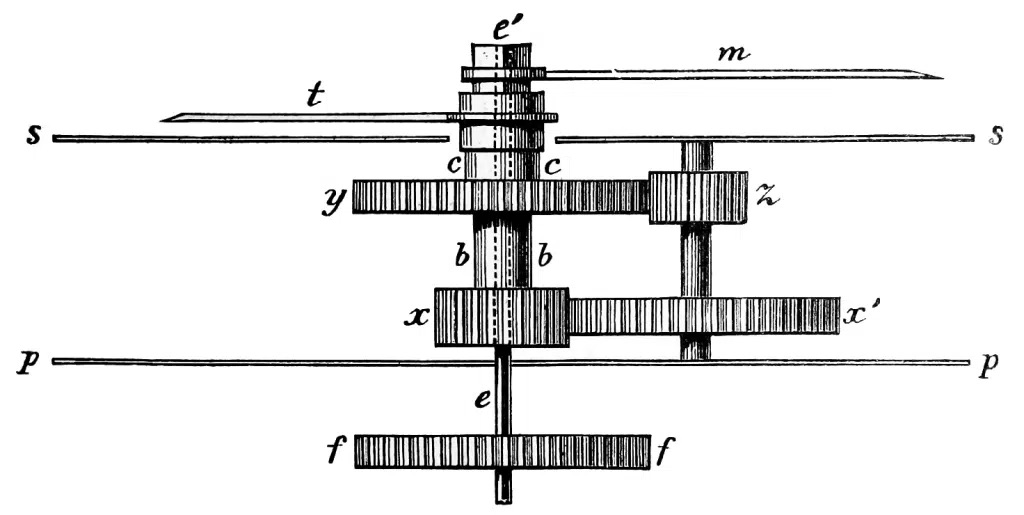
Nearly 30 years ago, I handed my father’s watch to a professional watchmaker for a routine service.
When I came back for it, he put it on the counter and said nothing. And to my horror, the crystal was shattered. The hands were missing. The dial was scratched, the case bent. Irreparably damaged, he told me.
I was twenty years old.
Two years ago, I was remote, isolated, and running out of reasons to leave my chair. I decided to fix it myself. I had no idea what I was doing.
The weight of the drawer
My mother gave that watch to my father in the mid-80ies. Then my father gave it to me in 1996, when I left for engineering school, and I knew it mattered to him.
Over the years I kept looking for someone who could undo what had been done to it, reaching out to watchmakers and the manufacturer, and never quite managing to hand it over. What had happened once was enough, so I’d put it back in the drawer and try to stop thinking about it.
After five years of remote work, I had more time alone than I knew what to do with. That’s when I started thinking about the watch again.
I stumbled into watch restoration channels on YouTube, out of curiosity more than anything, and could spend hours just memorizing how they handled things. Then I ordered a set of tools from AliExpress for less than 15 euros, and told myself that if I broke it further, I’d only have confirmed what the watchmaker told me 30 years earlier.
I figured there wasn’t much left to lose.
Five years from bedroom to desk
The commute went first, then the office, then the colleagues. The last thing to go was having someone to eat lunch with.
What was left was a home office, a screen, the particular anxiety that comes with attending meetings, and feeling increasingly disconnected from everything outside the house, and work that had started to feel like it had forgotten what it was for.
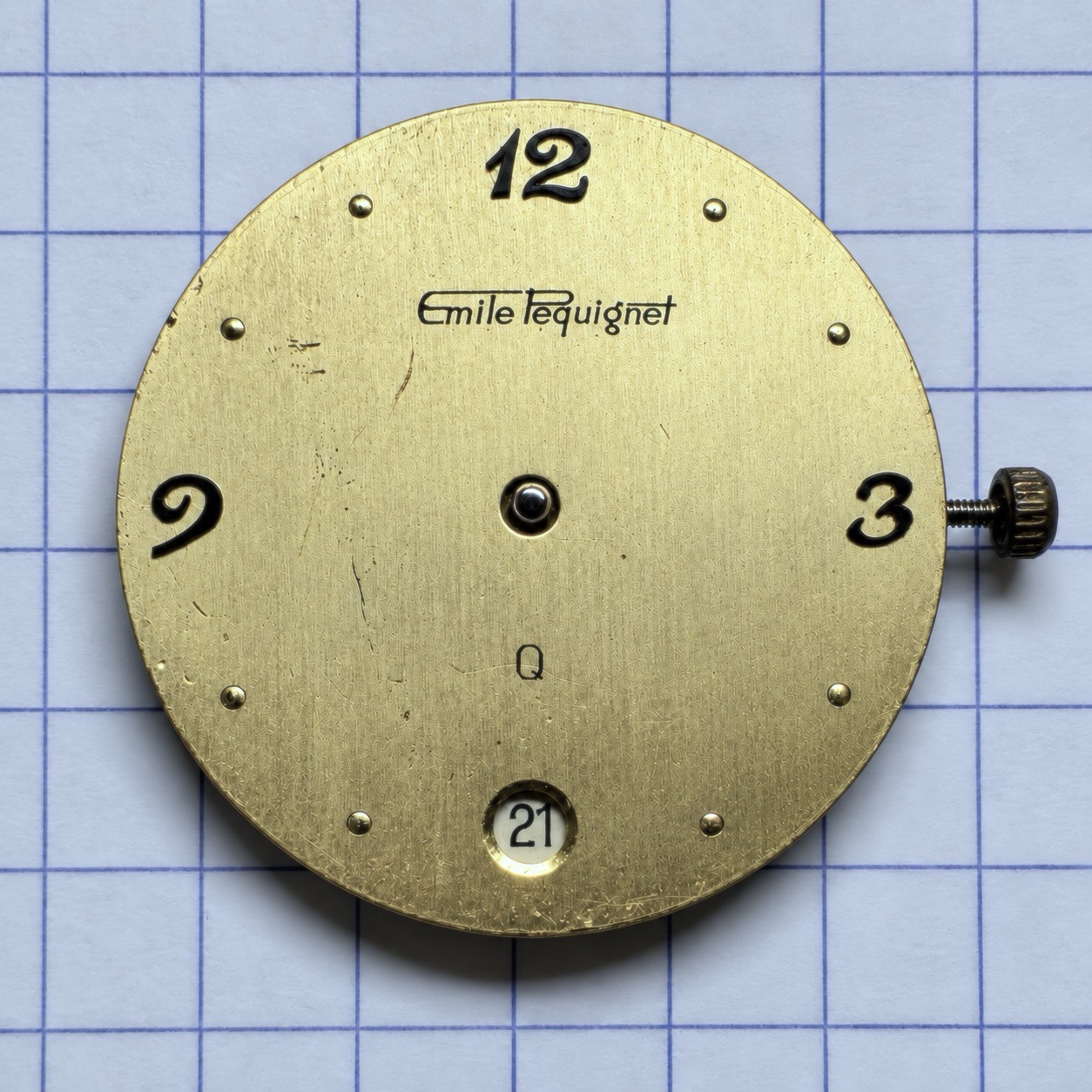
One evening I took the caseback off, held it up to the light, and saw the scratches on the dial and the missing cannon pinion.
The somewhere else
Looking at it under the light, I knew this wasn’t going to be a quick fix. I didn’t particularly want another side project or online course, because I had enough things to do in front of a screen. What was missing was consequence, a problem that would tell me unambiguously whether I’d succeeded or not.
A broken movement doesn’t care about your seniority, or the elegance of your architecture. It either runs or it doesn’t, and it will tell you which.
A professional watchmaker destroyed this watch, and an amateur with YouTube and a set of cheap tools was attempting to restore it.
The cost of the craft
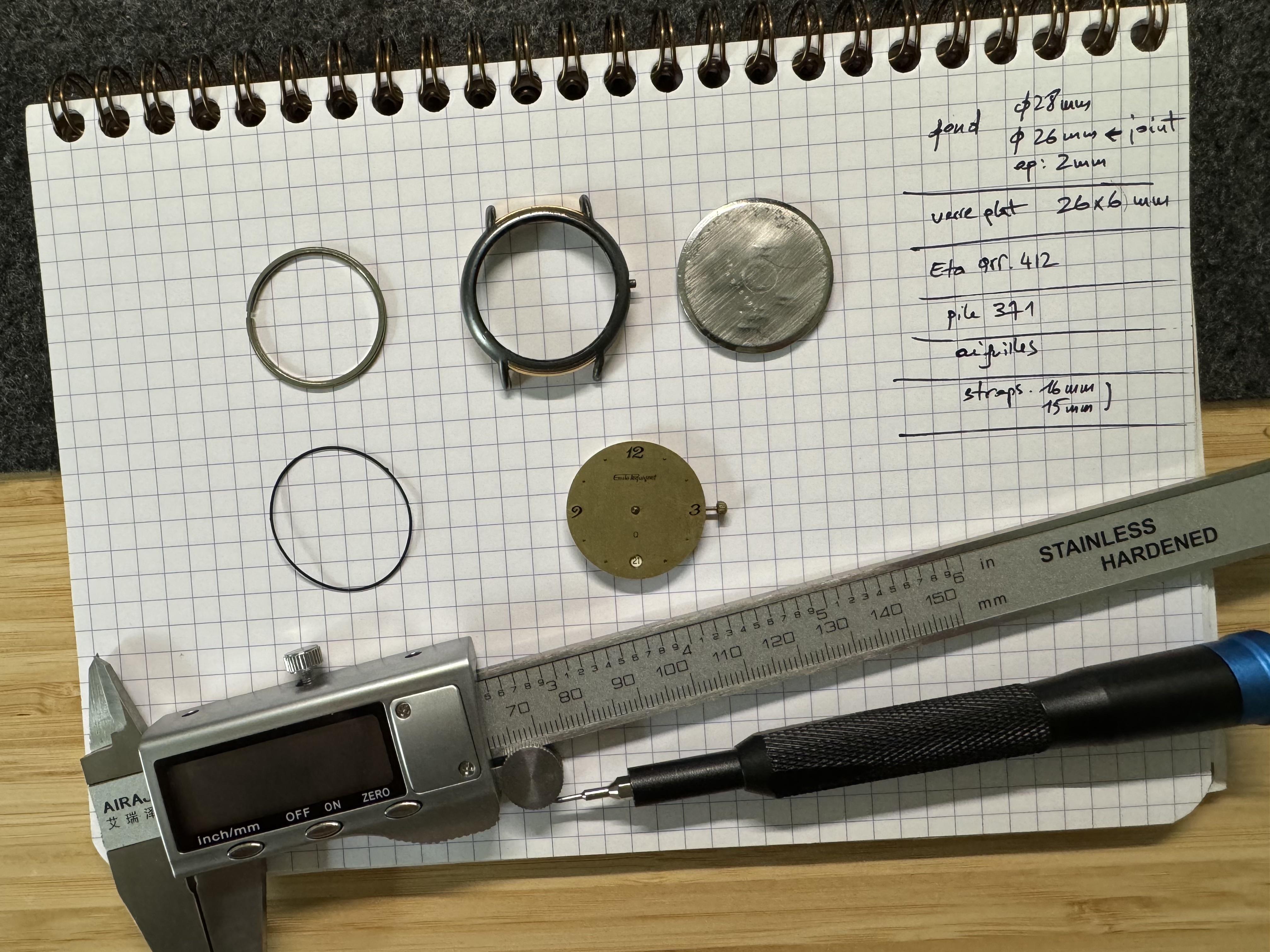
I found the parts on eBay. The manufacturer reused the same components across models, so I bought two donor movements for around 10 euros, to strip for the hands and the cannon pinion. The crystal and strap I ordered new. I also sourced the right tools and oils. It took me more than three weeks to get everything together.
When everything arrived, I cleaned the movement with a soft brush and lighter fluid, the way the tutorials say. I oiled the jewels. I stripped the hands from the donor movements and cleaned them.
Then I installed the cannon pinion, which took longer than everything else combined. I had to dismantle the movement, keep track of every screw, remember the order to put it back, not damage anything else in the process, and then replace the pinion. Four attempts before it sat right.
At some point I stopped checking the time. I was too busy trying not to damage something else. That kind of focus is hard to manufacture, but it’s easier when the thing you’re trying not to break belonged to your father.
Then the hands. Set them too low and they catch the dial. Too high and they touch the crystal.
First attempt: the minute hand was off by 15 minutes. I took it off and reset it.
Second attempt: the hour and minute hands caught each other at twelve. I took it off again.
Third attempt…
I’ve worked on much harder problems. But I couldn’t remember the last time I’d had to start over so many times just to get one thing right.
In software, failure often means a rollback, a post-mortem, a taskforce, and another document explaining what went wrong. Here, I’d just messed up the hands. So I took them off and started again.
The dial came off once. Briefly… I don’t want to talk about it.
The watch runs
It ran.
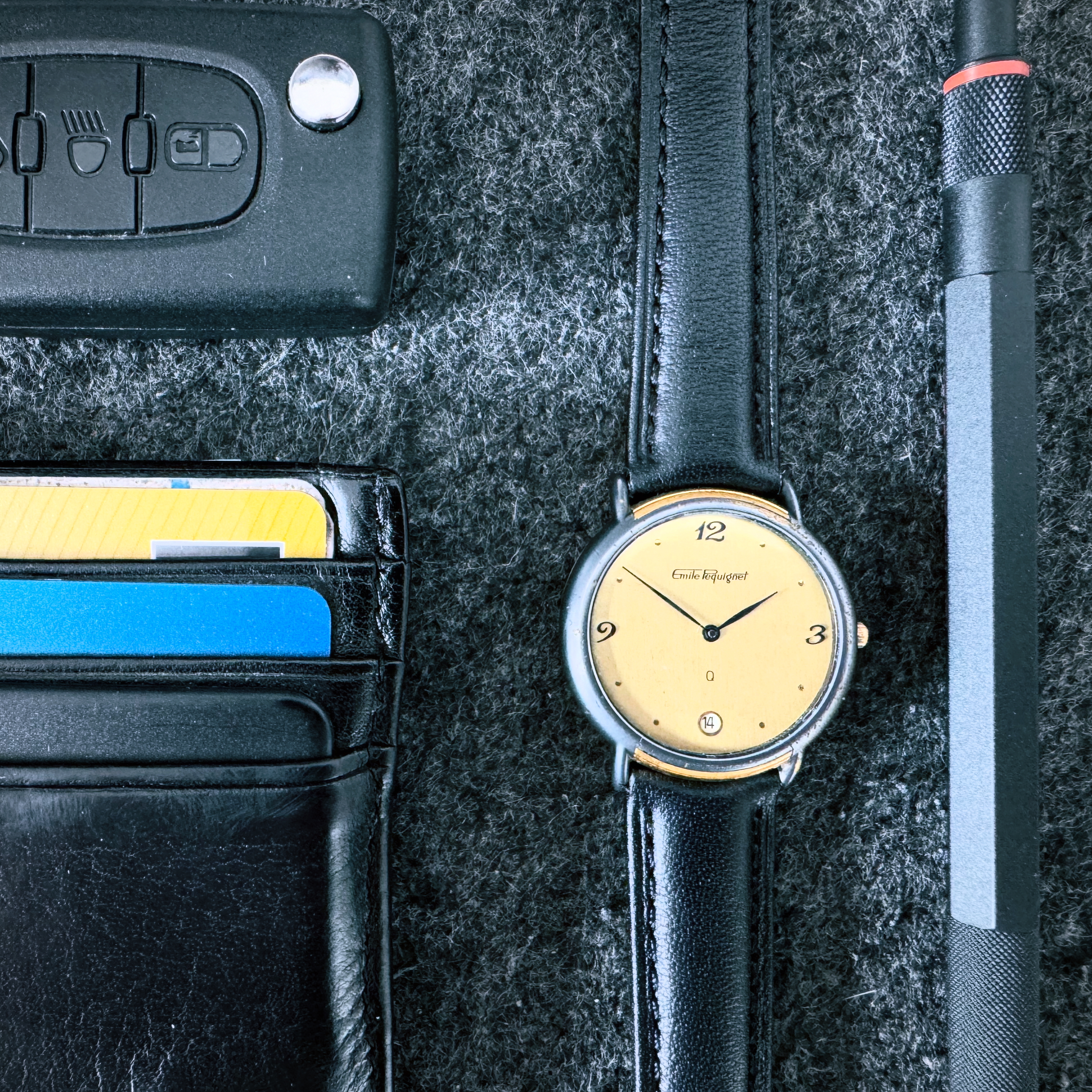
That’s what happened. After the cannon pinion, the hands, the resets. It ran, and I sat there looking at it for longer than I’d like to admit.
I had done it. Me.
Software hadn’t let me say that in years.
I called my father. He needed a moment to remember. When it came back to him, I told him I had fixed it. He said he was proud of me.
I had spent 30 years waiting for that sentence. When it arrived, I didn’t know what to do with it.
I wear the watch sometimes.
No meetings, no deliverables, nobody asking for a status update. Just a broken watch and me trying to figure out what I’d done wrong.
I hadn’t realised how much I’d missed that.